Website preview · Kids Come First Early Learning Centers #1
Previewing at
Four children stand side by side on a grassy lawn with trees and a building in the background, smiling at the camera.

Georgia free Pre-K, four-year-olds.

A state-funded pre-K classroom for four-year-olds, at no cost to eligible families.

Plan a visit

The Georgia free Pre-K room

Georgia's Pre-K is a free, 6. 5-hour instructional program for eligible four-year-olds. The day is built around state-approved curricula, taught by certified teachers. Children spend their time in small groups and at learning centers, working on early literacy, numbers, and the social skills that carry them into Kindergarten.

The room is set up for four-year-olds: a library corner, a writing table, blocks, art materials, and space to play. Teachers guide the group through a steady routine so children know what comes next. Your child practices sitting and listening, taking turns, and asking for help — the everyday skills Kindergarten asks for.

By spring, most families notice it at home. Children tell longer stories, write their name, count past ten, and walk into a new room with less hesitation. The foundation is social, emotional, and academic, and it is the same foundation the state expects for Kindergarten.


What to expect

Georgia Pre-K

We are a provider of the Georgia Pre-K Program. Eligible four-year-olds attend at no cost. It is a 6. 5-hour instructional day taught by certified teachers using state-approved curricula. Give your child a high-quality, state-funded foundation for Kindergarten, in a professional setting. Georgia Pre-K children may also need care before and after the instructional day, so ask about adding hours that fit your schedule.

What this looks like in practice

In a licensed child-care setting, a Georgia Pre-K day runs about 6. 5 hours and follows a steady routine. Children gather for group time, then work at centers — books, blocks, art, writing. Teachers read aloud, lead hands-on activities, and eat meals with the group. Parents can expect a daily classroom that looks busy, familiar, and calm.

What parents notice at home: a child who tells you more about their day, who writes letters on the grocery list, who waits their turn. Pre-K builds the habits Kindergarten expects — listening, following directions, and getting along with other children. It gives your child a social, emotional, and academic start.

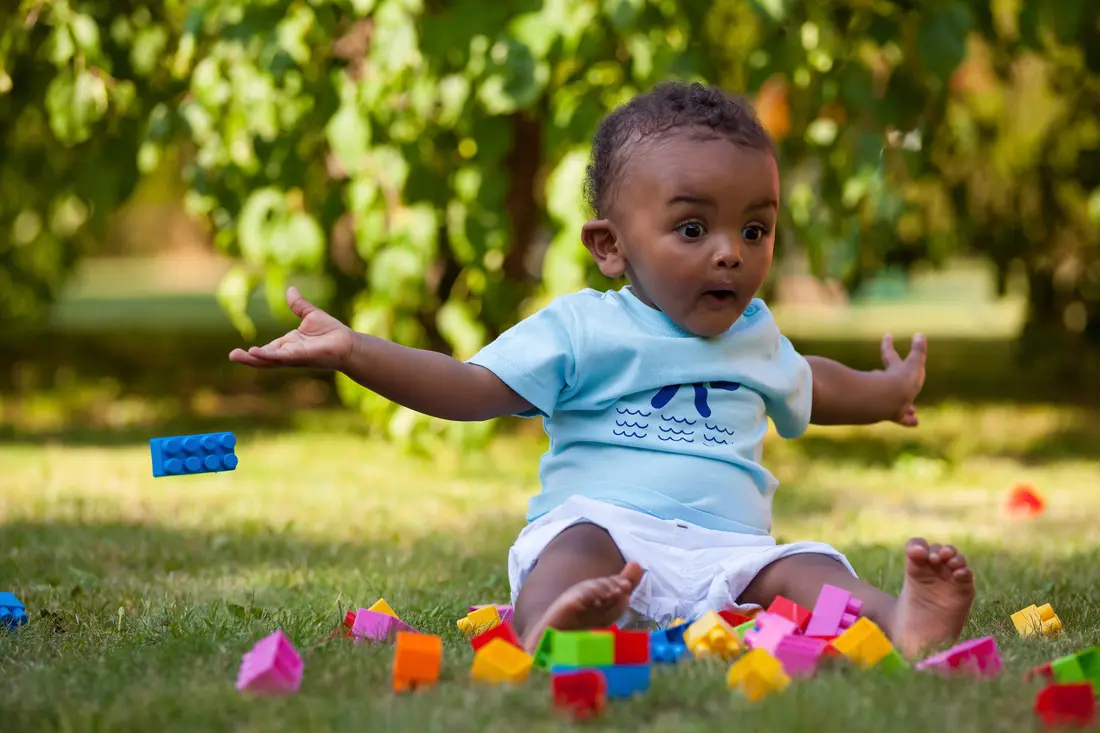
A baby sitting on grass with arms outstretched while colorful plastic building blocks are scattered around and one blue block is suspended in mid-air.

See this room in person

Request a visit
KC
Hi! I'm Kids
How can I help you today?
KC
Kids Come First Early Learning Centers #1 Assistant
Ask about tours, programs, and enrollment.
Hi! I can help with Kids Come First Early Learning Centers #1 questions.
Powered by EnrollIQ